Unlocking Potential
  • About Us
    • Social, Emotional & Mental Health
    • Our Mission & Values
    • Our Team
    • Where We Work
    • Support UP
    • Blog
    • UP Stories
    • Work With Us
    • Contact Us
  • UPLifting Children
    • Clinical Placements
    • Therapy & Counselling
    • Occupational Therapy
    • Speech & Language Therapy
    • Resources
    • Children’s Mental Health Week
  • Philanthropy
    • Support UP
    • Campaigns
    • Our Impact
  • The Corner School
Donate
Unlocking Potential
  • About Us
    • Social, Emotional & Mental Health
    • Our Mission & Values
    • Our Team
    • Where We Work
    • Support UP
    • Blog
    • UP Stories
    • Work With Us
    • Contact Us
  • UPLifting Children
    • Clinical Placements
    • Therapy & Counselling
    • Occupational Therapy
    • Speech & Language Therapy
    • Resources
    • Children’s Mental Health Week
  • Philanthropy
    • Support UP
    • Campaigns
    • Our Impact
  • The Corner School
Donate
Unlocking Potential
  • About Us
  • UPLifting Children
  • Philanthropy
  • The Corner School
Donate
UP Logo
  • About Us
  • UPLifting Children
  • Philanthropy
  • The Corner School
Donate

Social, Emotional & Mental Health

Strong social, emotional and mental health is key to leading a happy, fulfilled and independent life. We are working with our partners to ensure that we can help children tackle SEMH needs to unlock their full potential and thrive in all aspects of their lives.

Donate

Stat icon
1 in 2

Pupils who are permanently excluded have a diagnosis of SEMH needs

What Are SEMH Needs?

SEMH (Social, Emotional & Mental Health) is a term that was introduced in the Special Educational Need and Disabilities (SEND) Code of Practice in 2014. It replaced the terms BESD (Behaviour Emotional Social Development) and EBD (Emotional & Behaviour Difficulties). The new abbreviation, SEMH, was the first term to drop the word ‘behaviour’, in an attempt to emphasise that behaviour is only ever a way of communicating something more significant. In other words, referring to behaviour meant that many practitioners were focusing on the behaviours on display, rather than the needs behind the behaviour. Another key change to the term is the inclusion of mental health. Although the use of this term needs to be carefully managed, (not least with the young people themselves) it has increased the focus on tackling issues which have an impact on the mental health of children.

Stat icon
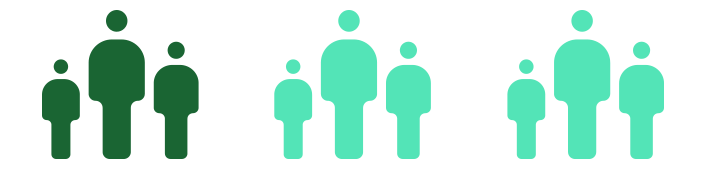
1 in 3

1 in 3 families include someone who is mentally ill

What Are The Causes Of SEMH Needs?

The most common causes of SEMH are believed to include the following: Attachment history (lack of acceptance /needs being met /emotional warmth / positive feedback / managing emotional response by caregiver); Trauma history (domestic violence, abuse, neglect, bullying, violent crime, social exclusion, hate prejudice, loss); Current family dynamics; Other systems around the child (school, community, society).

Stat icon
99%

Of children with a SEMH diagnoses do not make the national average academic progress of their peers

How Are SEMH Needs Expressed?

Children and young people who have difficulties with their emotional and social development may have immature social skills and find it difficult to make and sustain healthy relationships. These difficulties may be displayed through the young person becoming withdrawn or isolated, as well as through challenging, disruptive or disturbing behaviour. SEMH can manifest as difficulties relating to problems of mood (anxiety or depression), problems of conduct (oppositional defiance and more severe conduct problems including aggression), self-harming, substance abuse, eating disorders or physical symptoms that are medically unexplained. Some children and young people may have recognised disorders such as attention deficit disorder (ADD), attention deficit hyperactive disorder (ADHD) attachment disorder, pervasive development disorder, an anxiety disorder, or, more rarely, schizophrenia or bipolar disorder.
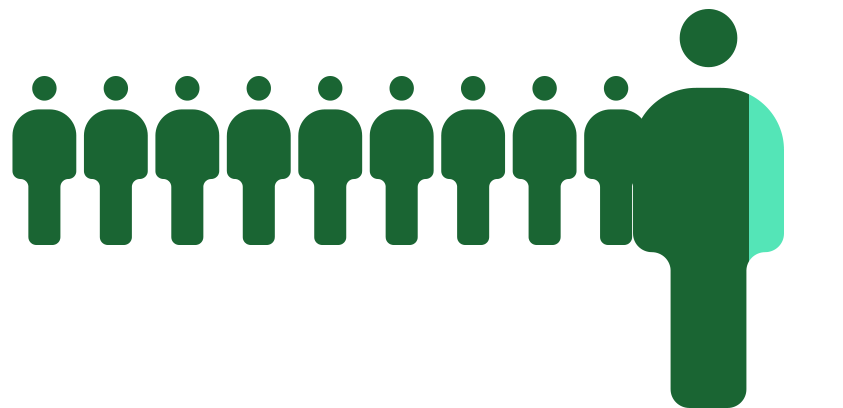
By the age of 20

30%

Only 30% of adults who had a diagnosis of SEMH needs at school have gained any sort of qualifications

Impact on life chances

National data shows that children with any Special Educational Need are significantly more likely to leave school without any qualifications, to get stuck in a cycle of unemployment, to develop drug problems, to become involved in criminal behaviour, to become homeless and to be vulnerable to sexual exploitation. If the child is also from an economically disadvantaged household all of these risk factors increase significantly. In London, if the child is also from a Black or Ethnic Minority background, the predicted outcomes for life chances are even worse. Children and young people with SEMH are often the most likely to be affected by one, and often a number, of these risks. This is because they are more at risk of being excluded from school, they are more at risk of being branded as ‘bad’ children due to behaviour which is seen as anti-social by ill-prepared professionals and others due to the lack of really joined-up thinking on how to help these young people in most cases.

Transforming Life Chances For Children

We are committed to breaking the negative cycles which can limit children’s life chances and to ensuring that all children can make excellent progress.

Find Out More

Support Our Work

About Us

  • Where We Work
  • Our Team
  • UP Stories
  • Contact Us

Get Involved

  • Work With Us
  • Volunteer With Us
  • Instagram
  • LinkedIn

Resources

  • Reports
  • Policies
  • Downloads

We work collaboratively with communities to enable children and young people with social, emotional, and mental health needs to unlock their full potential

Fundraising Logo

Unlocking Potential © 2025 All Rights Reserved. Registered Charity No: 1163932. Privacy Policy. Made by NA.